
News release
Question the Corporal: Impaired driving investigations
February 26, 2026
-
Mission, British Columbia
From: Mission RCMP
On this page
Content
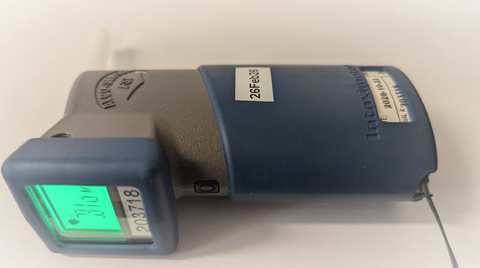
Mission RCMP recently put out media releases regarding impaired driving investigations where officers made a “blood demand”, leading to general questions about the topic on social media. While impaired driving investigations are common, they are also some of the most legally scrutinized types of investigations done by police. Here are some possible scenarios and investigational avenues police consider when conducting liquor-related impaired driving investigations.
Scenario #1: Immediate roadside prohibitions:
If a vehicle gets pulled over for a traffic violation, the officer can make an approved screening device (ASD) demand. There are two variations of this demand – one which can be issued during any lawful traffic stop, and the other which is issued if an officer suspects the driver is impaired. Breath testing is usually completed within a few minutes, and the result is shown to the driver.
If the ASD displays a number from 50-59 mg % blood alcohol content (BAC), the officer may issue a 24-hour driving prohibition and impound the vehicle. If the ASD displays “warn”, the driver has a BAC above 59 mg % BAC, and the officer will issue an immediate roadside prohibition (IRP) for 3 full days and impound the vehicle (if the driver received a “warn” result during a prior occurrence, they would instead receive a 7 or 30 day driving prohibition and impound on the subsequent “warn” result). If the ASD displays “fail”, the driver’s BAC is well above the Criminal Code limit of 80 mg %, and the driver would be detained or arrested for criminal impaired driving. The officer can then assess whether to proceed with criminal charges, or issue a 90-day IRP and a 30-day impound. An IRP does not entail criminal charges, but carries significant financial penalties, and the driver may have to attend a defensive driving course before their driver’s license is reinstated. If a driver refuses or fails to provide a valid breath sample into an ASD, they can also face criminal charges or a 90-day IRP and a 30-day vehicle impound.
Drivers with a Learner or Novice BC license are not allowed to have any BAC level, and can be issued a 12-hour driving suspension and a violation ticket if they register even a low BAC on an ASD.
Scenario #2: Breath samples at the detachment
If a driver registers a “FAIL” on an ASD and has already received an IRP in recent years, they may not be suitable for another IRP. Similarly, in the case of a collision involving serious injuries or property damage, criminal charges may be more appropriate, as the consequences are more significant. In these cases, the driver is detained or arrested, a breath demand is made, they can speak with a lawyer, and they are transported to a police detachment, where they are required to provide breath samples into an approved instrument, which provides detailed analysis and the actual numerical amounts of alcohol in the driver’s blood.
Note that even if someone “passes” a breath test, they can still be charged with criminal impaired driving, if there is other evidence that their ability to drive was impaired.
Scenario #3: Blood demand
Let’s say a police officer attends a serious collision. When they get there, the fire department is extracting the driver out of his car. The driver has significant injuries and needs to go to the hospital. The officer sees open beer cans in the center console, and the driver’s breath smells of liquor. The driver will likely be in hospital for a while, so he won’t make it to the police station in a timely manner to provide breath samples. In this case, the officer can make a blood demand, requiring the driver to consent to a medical practitioner drawing blood. After access to a lawyer, the officer will seize the blood which will be analyzed at a forensic lab for BAC. If the driver refuses to consent to providing blood samples, they can face criminal charges for failing to comply with the demand.
Scenario #4: Blood warrant
What if the driver is unconscious, or is otherwise not capable of consenting to provide a blood sample? The officer can then author a warrant which is reviewed and approved by a Judge or Judicial Justice, requiring the medical practitioner to draw a sample of blood for analysis. Alternatively, the hospital may take blood for their own medical analysis. The officer can later seek a warrant to analyze that sample, or get a production order to obtain a copy of the analysis done by the hospital’s lab.
Impaired investigations can be complex. The officer needs to establish grounds to believe that someone was the driver, establish how long it’s been since the person had care or control of the vehicle, assess whether there are grounds to suspect or believe that the driver was impaired by liquor or drugs, make ongoing observations of the person, keep track of times when breath demands were made and samples were obtained, and ensure they are complying with their right to speak with a lawyer if the person is being arrested or detained beyond the original roadside ASD demand. These investigations are further compounded by potentially managing a crash scene, ensuring any urgent first aid is required, helping distraught occupants of other vehicles, communicating with firefighters and paramedics, and identifying possible witnesses. Officers must also be mindful that people who are intoxicated can be unpredictable or violent. There are times when people wonder why police do not immediately arrest a suspected impaired driver and take them to jail, but doing so without going through the required steps could result in interfering with the driver’s rights and jeopardize the prosecution of criminal charges.
We hope this helps you to better understand the various types of impaired driving investigations. While they can be difficult, they are very important for public safety, and Mission RCMP always appreciates public reports of dangerous driving and impaired drivers. If you believe someone is driving while impaired, call 911. You could be saving a life.
If you have questions you would like answered by Mission RCMP, send us a message on our Facebook page!