
Building an accessible RCMP
RCMP Accessibility Plan 2026-2028
On this page

List of acronyms and abbreviations
- AREDIS
- Anti-Racism, Equity, Diversity and Inclusion Secretariat
- ASC
- Accessibility Standards Canada
- CBSA
- Canada Border Services Agency
- CHRC
- Canadian Human Rights Commission
- CHRO
- Chief Human Resources Officer
- DANCE
- Development of Autistic/Neurodivergent Candidates for Employment
- DND
- Department of National Defence
- EDI
- Equity, Diversity and Inclusion
- EE
- Employment Equity
- GoC
- Government of Canada
- HQ
- Headquarters
- HR
- Human Resources
- HRMIS
- Human Resources Management Information System
- ICT
- Information and Communication Technology
- ISAAC
- International Society for Augmentative and Alternative Communication
- IT
- Information technology
- OPSA
- Office of Public Service Accessibility
- PTSD
- Post-traumatic stress disorder
- PwD
- Persons with Disabilities
- RCMP
- Royal Canadian Mounted Police
- UN
- United Nations
- VRI
- Virtual Remote Interpretation
Message from the Chief Human Resources Office
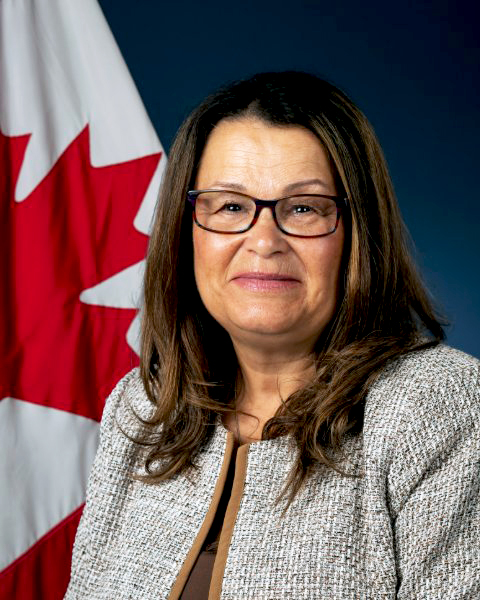
Shelley Peters
RCMP Chief Human Resources Officer
Equity, Diversity and Inclusion Champion
Colleagues,
As we move into the RCMP Accessibility Plan 2026-2028 cycle, our organization continues its transformation toward becoming more accessible, inclusive and barrier-free. Since the release of our last plan in January of 2023, we have published two progress reports in December of 2023 and 2024, each reflecting our achievements, lessons learned, and the continued effort required to advance accessibility. These reports demonstrate our accountability and transparency, and they highlight the steps we are taking to create meaningful and lasting changes.
In recent years, accessibility has become embedded across the entire organization. It is no longer seen as a stand-alone initiative, but as a core part of how we operate. Every business line has incorporated accessibility into its plans, ensuring that accessibility is considered at every level of decision-making, planning, and service delivery. This shift marks an important cultural milestone: accessibility is now central to the way we work, serve, and lead.
The RCMP Accessibility Plan 2026-2028 builds on this foundation. It reinforces our commitment to the Accessible Canada Act 2019 and its vision of a Canada without barriers by 2040. It also continues our organizational vision of equity, dignity, and respect for all employees and communities we serve.
Several new initiatives illustrate this commitment in action. Project DANCE (Development of Autistic/Neurodivergent Candidates for Employment) is a leading effort to strengthen recruitment and retention practices and create meaningful employment opportunities for autistic and neurodivergent individuals. The Communication Matters pilot project brings together health professionals, law enforcement partners, and people with lived experience to improve how we connect, communicate, and respond to accessibility needs. At the same time, the Virtual Remote Interpretation Project (DECIPHER) is preparing to deliver on-demand sign language interpretation through a virtual remote service, with reviews and testing already underway to ensure effective and timely support across the organization.
Through consultation, co-development, and accountability, we will ensure that accessibility is integrated into every aspect of our workplace and services. We all benefit when accessibility is embedded in everything we do. Together, with the RCMP Accessibility Plan 2026-2028, we will continue to build an organization that is inclusive, respectful, and barrier-free for all Persons with Disabilities.
We thank all RCMP employees and partners for their commitment to advancing accessibility and inclusion. By working together, we are shaping a workplace and service culture rooted in dignity, equity and opportunity for all.
Thank you,
Shelley Peters
RCMP Chief Human Resources Officer
Equity, Diversity and Inclusion Champion
Accountability and governance
The accountability for implementing the Accessible Canada Act in the RCMP lies with the defined Accessibility Leadership. Accessibility-related proposals go through the organization's existing governance structureFootnote 1 in an effort to ensure that across the RCMP, we are embedding accessibility priorities in order to collectively advance this work.
Accessibility leadership
Accessibility Lead
- Shelley Peters, Chief Human Resources Officer, Equity, Diversity and Inclusion (EDI) Champion
Designated Senior Official for Employment Equity, Diversity and Inclusion
- Tahanee McKnight, Executive Director, Human Resources Policies, Strategies and Programs
Anti-Racism, Equity, Diversity and Inclusion Secretariat
- Superintendent Darryl Dawkins, Director, Anti-Racism, Equity, Diversity and Inclusion Secretariat (AREDIS)
- Sayeeda Jaigirdar, Senior Advisor, AREDIS
RCMP Governance
Committees
- Senior Executive Committee
- Communications and Coordination Committee
Governance structures
- Departmental Lead for the implementation of the Accessible Canada Act (Shelley Peters, Chief Human Resources Officer)
- Equity, Diversity and Inclusion Champion (Shelley Peters, Chief Human Resources Officer)
- Human Resources-Policies, Strategies and Programs Directorate (Tahanee McKnight, Executive Director)
- Anti-Racism, Equity, Diversity and Inclusion Secretariat (Superintendent Darryl Dawkins, Director)
- Accessibility Task Force
- RCMP Accessibility and Disability Network
- Pillar Leads (the business units below will have both the responsibility and accountability for the development and implementation of the pillar-specific plans inside the broader Accessibility Plan)
Pillar leads
As the identified Pillar Leads, the business units below will own both responsibility and accountability for the development and implementation of the pillar-specific plans inside this broader Accessibility Plan.
- Communication (other than Information and Communication Technologies) - Chief Human Resources Officer and others as identified in the Accessibility Plan
- Employment - Chief Human Resources Officer and others as identified in Accessibility Plan
- Built environment - Director General of Property Management
- Design and delivery of programs and services - Various leads as identified in the Accessibility Plan
- Procurement of goods services and facilities - Director General of Procurement and Contracting
- Information and Communication Technologies - Director General of Information Technologies and others as identified in the Accessibility Plan
- Transportation - Director General of Transportation
General
Organizational context
The RCMP is more than just Canada's national police service. We have been part of the fabric of Canada since 1873. We are one of only a few police services recognized around the world for both our policing excellence and our image - the "Mountie".
The RCMP fulfills its mandate from coast-to-coast-to-coast, at the community, provincial, territorial and federal levels, by preventing crime, enforcing the law, investigating offences, and assuring public safety. We also offer our renowned expertise at the international level by conducting international policing activities, including peacekeeping, and sharing intelligence with trusted partners to support investigations, and to disrupt and dismantle criminal operations. Operations focus on three key areas: Contract and Indigenous Policing, Federal Policing, and Specialized Policing Services. We work in over 700 detachments in 150 communities across the country, and provides policing services in more than 600 Indigenous communities.
The composition of the RCMP workforce is unique, adding a distinctive dimension of diversity to our strength in delivering high-quality work that keeps our communities safe. As of April 1, 2025, the RCMP had 32,609 employees. Of these,
- 19,130 are Regular Members and Special Constables
- 10,966 Public Service Employees, employed under the Public Service Employment Act
- 2,513 Civilian Members, employed under the Royal Canadian Mounted Police Act
The RCMP is an organization made up of some of the finest employees Canada has to offer, who care deeply about serving all Canadians and upholding the law. Our employees are committed to encouraging a positive and professional culture as we work towards our goals of continuous improvement and innovation. At the same time, we continue to work on building greater trust with Canadians, including equity seeking groups. We are actively engaging in the continuous process of reconciliation and working to strengthen trust and relationships with First Nations, Inuit and Métis Peoples. We are listening to and taking positive actions to address these long-term issues that extend beyond the timeframe of this plan but will be supported by this strategy. To make progress over the next few years, the RCMP has identified three core priorities that will guide the focus of our resourcing and investments, while we continue to support a safe and secure Canada. Specifically, we will turn our attention to recruitment and retention, workplace culture and operational excellence. Accessibility falls under workplace culture, and the Accessibility Plan 2026-2028 is one big step towards excellence.
Our top priority is to be the modern, inclusive, and healthy organization that our employees and all residents of Canada expect of us. This means continuously finding ways to take better care of our employees, treating all those we serve with dignity and respect, and carrying out our police work in ways that builds trust and confidence. This will ensure we can fulfill our primary mandate, which is to keep people safe.
The Accessible Canada Act
The Accessible Canada Act came into force on July 11, 2019 to help
Realize a Canada without barriers especially for persons with disabilities.
The Act defines disability as any impairment or functional limitation that hinders a person's full and equal participation in society. It applies to a wide range health challenges - visible and invisible - including those related to pain, flexibility, cognitive development, mental health and chronic illness. Most Canadians have a disability at some point in their lives, whether temporary (such as a broken leg) or permanent (a chronic illness).
The Act applies to Parliament, Government of Canada departments and agencies, crown corporations, and private sector businesses that fall under federal jurisdiction, such as banking, telecommunications and transportation.
While the Act has a long-term vision for full accessibility to be achieved by 2040, it imposes many requirements in the interim. Every three years, federally regulated entities must:
- Prepare and publish an initial multi-year Plan to address accessibility for the people that they hire, and the way that they do business
- Establish a feedback process with two-way exchange with individuals, groups and networks within the disability community
- Report annually on the progress we have made to improve accessibility and to address the feedback received
Nothing Without Us: An Accessibility Strategy for the Public Service of Canada
The Government has mandated the Public Service of Canada to lead by example and become an international model of accessibility for others to follow. Nothing Without Us: An Accessibility Strategy for the Public Service of Canada presents a policy roadmap for departments to design an initial accessibility Plan that will ensure that decision-making related the inclusion of person with disabilities is more deliberate, transparent and accountable.
At the heart of this strategy are five interconnected goals to guide the public service in its response to the requirements of the Act. They are:
- Recruitment, retention and promotion practices that are inclusive of persons with disabilities
- Built environments that are stress-free to navigate
- Clear communications and technology that is usable by all
- Program and service design and delivery that is barrier-free
- Public servants who are equipped to confidently engage, manage and serve persons with disabilities
Strategic framework
As the Employer of the federal public service, the Treasury Board of Canada Secretariat's Office of Public Service Accessibility is leading the charge on the implementation of the Accessibility Strategy for the Public Service of Canada, "Nothing Without Us". Employment and Social Development Canada is responsible for overseeing the implementation of the Act and Regulations as the Government of Canada's lead department on labour-related programs.
At the RCMP, the Chief Human Resources Officer is the organizational lead for Accessibility, via the Anti-Racism, Equity, Diversity and Inclusion Secretariat, which has monitored ongoing developments related to the Accessibility legislative framework and has been assigned responsibility for framing the Accessibility Plan for the RCMP.
In October 2021, Employment and Social Development Canada consulted federal departments on guidance for developing Accessibility Plans. The RCMP's Equity, Diversity and Inclusion Unit and National Council for Diversity and Inclusion provided input. The RCMP also consulted with Persons with Disabilities coupled with expertise from other departments in formulating the first Accessibility Plan. This consultation is an ongoing process and will remain so for the entirety of the RCMP Accessibility Plan 2026-2028 as well.
Current state - Persons with Disabilities
The RCMP has made important progress in increasing the representation of persons with disabilities across the organization. As of April 1, 2025, 2.5% of employees self-identified as having a disability, reflecting an increase of 132 employees compared to the previous year. This growth, though modest, demonstrates that focused efforts are having an impact and provide momentum for continued progress.
Representation is strongest among Public Service Employees (4.3%) and Civilian Members (3.3%), showing that accessible recruitment and employment practices in these areas are generating results. While Regular Member representation (1.3%) remains lower, this gap highlights an opportunity to expand outreach and inclusive practices in operational policing roles.
Recruitment and promotions continue to offer pathways for improvement. In 2024-2025, 2.5% of new hires were persons with disabilities. Promotions accounted for 1.8% of advancement opportunities, demonstrating that persons with disabilities are entering and progressing within the organization, with room for growth as accessibility initiatives expand.
Overall, the current state reflects ongoing progress supported by a strong foundation of work already underway. Building on previous accessibility commitments, the RCMP will continue to:
- Expand inclusive recruitment to attract more persons with disabilities, especially in Regular Member roles
- Strengthen retention and support systems to sustain growth
- Enhance career pathways so persons with disabilities have equitable opportunities to advance
This reflects the RCMP's continued commitment to creating a workplace where persons with disabilities are represented, included, and supported at every stage of their career.
The RCMP accessibility statement and vision
The RCMP will have enhanced accessibility for its employees and the public through 2026-2028 and moving forward to 2040:
The RCMP will have identified and addressed barriers within its direct control, resulting in employees and clients with disabilities having every opportunity to participate fully and equally in an inclusive, barrier-free environment where they can realize their potential and feel they belong.
Departmental feedback process
As articulated in the Accessible Canada Act, the RCMP has established a departmental process for receiving and addressing feedback regarding the implementation of the present Accessibility Plan and barriers experienced by our employees and people who interact with our organization.
Below, is a description of our feedback process, which will facilitate the provision of anonymous feedback both internally and externally:
- The present Accessibility Plan is to be published on the RCMP internal and external website. It will also be published on open.canada.ca
- The designated person for receiving feedback is Ms. Galina Ivanova, Employment Equity Research Analyst and Project Coordinator, at the following email address: rcmpaccessibility-accessibilitegrc@rcmp-grc.gc.ca
- A survey was conducted, which captured employee and client feedback on the implementation of the present Accessibility Plan
- As they are surfaced, relevant issues will be addressed through governance structures
- Periodically as the Accessibility Plan is updated, it will reflect the feedback received
- A person may use the contact information listed to request a copy of the feedback process description in an alternate format
- A person may use the contact information listed to request a copy of the accessibility plan in an alternate format.
- The RCMP will ensure acknowledgement of receipt of all its feedback if it is not received anonymously.
- A person may use the contact information listed to provide feedback.
- Feedback received will be acknowledged in the same manner in which it was received unless it was received anonymously.
Contact information to reach out to the RCMP
- By email
- The designated contact person for receiving feedback or for an accessible version of this document is Ms. Galina Ivanova, Employment Equity Research Analyst and Project Coordinator, at the following email address: rcmpaccessibility-accessibilitegrc@rcmp-grc.gc.ca.
- By mail
-
Anti-Racism, Equity, Diversity and Inclusion Secretariat (AREDIS)
73 Leikin Drive
Mailstop 52
Ottawa ON K1A 0R2 - By toll-free number
- 1-833-690-3508
Consultations
The RCMP Accessibility plan 2026-2028, leverages input from employees, partners, and clients, particularly those who identify as persons with disabilities, which was received through a variety of consultation and engagements, which will remain an ongoing element of this PlanFootnote 2. Consultation plans and progress reports will also be forthcoming as a result of these ongoing consultations.
The following section outlines the ways through which the RCMP has consulted with employees who identify as persons with disabilities and members of the public in matters related to accessibility, accommodations, barriers, harassment and discrimination, and other experiences with respect to accessibility at the RCMP, as well as analysis of the results from these consultations.
RCMP Disability and Accessibility Network
The RCMP launched its Disability and Accessibility Network in September 2022. Its mission is to advocate for disability- and accessibility-related issues by identifying and communicating best practices and solutions to challenges faced by employees with disabilities. The network consists of employees from all categories of employees - Regular Members, Civilian Members and Public Service Employees in our organization and will provide input and advice to the Accessibility leadership, the Anti-Racism, Equity, Diversity and Inclusion Secretariat (AREDIS), the RCMP senior management team, and NDIGHAC (National Diversity, Inclusion, Gender and Harassment Advisory Committee) to improve the working environment for all employees with disabilities. The network continues to be a resource and support for the Accessibility taskforce members in various areas such as the Government of Canada Workplace Accessibility Passport implementation, disability management and accommodation advice.
Interdepartmental HR Advisory Committee on Persons with Disabilities
The RCMP has supplemented its internal consultations by reaching out to interdepartmental groups such as the Interdepartmental HR Advisory Committee on Persons with Disabilities, allowing for greater perspective, a wider range of representation of various disabilities and the additional expertise of interdepartmental subject matter experts and opportunities for sharing valuable resources. The network continues to be a source of valuable information for the RCMP.
Interdepartmental Accessibility Community of Practice
The RCMP has also supplemented its internal consultations by reaching out to the Interdepartmental Accessibility Community of Practice. It has led to wider perspectives as well as more representation of various disabilities and expertise.
Government of Canada Workplace Accessibility Passport Adopter Community of Practice
The RCMP has also been active in participation of this network. The Government of Canada Workplace Accessibility Passport Adopter Community of Practice also consists of Persons with Disabilities that the RCMP has consulted with on the Accessibility Plan and the progress report. The community has led the training of a RCMP facilitator for the Government of Canada Workplace Accessibility Passport. This training has led to Labour relations Advisors being trained on the Passport and the start of a roll out of a RCMP wide training in the Accessibility Passport during the last Accessibility Plan and is planned in the new one as well.
Office of Public Service Accessibility
The Office of Public Service Accessibility (OPSA) was established to prepare the Public Service to meet or exceed its obligations under the Accessible Canada Act. The Office of Public Service Accessibility mandate is to:
- Develop and launch an Accessibility Strategy for the Public Service and implementation plan
- Provide expert advice, leadership and coordination to departments and agencies to implement the requirements of the Act.
- Develop targeted initiatives to help improve workplace accessibility.
The RCMP published its first Accessibility Plan in January 2023. Since then, it has consulted with members of OPSA who have lived experiences of disabilities. In the Accessibility Plan 2026-2028, members of OPSA were also consulted on the RCMP's accountabilities under the Act. OPSA has also trained facilitators in the RCMP to deliver the passport.
The Accessibility Network
The Accessibility Network is a Government of Canada network consisting of Public Servants who are leading the Accessibility work in their respective departments. It is also comprised of persons with disabilities and in turn consults with other interdepartmental networks. The RCMP is a member of this network and has consulted the network on the RCMP Accessibility Plan 2026-2028 as well as the RCMP Accessibility Progress Report, among other matters related to Accessibility.
The Canadian Human Rights Commission
The Canadian Human Rights Commission (CHRC) has inspected the first RCMP Accessibility Plan and has offered valuable insights and improvement pathways that the RCMP is now implementing in the Plan and in progress reports. The CHRC has also offered valued discernments as to how to consult with persons with disabilities and how to report on it through the Plan and the progress report. This collaborative approach that the CHRC has taken in its inspection process has aided the understanding of the Accessible Canada Act and the concerned legislation for the RCMP.
2023 to 2024 RCMP Accessibility Survey
The 2023 RCMP Accessibility Survey for Employees was conducted from December 18, 2023 to March 11, 2024. The survey measured RCMP employees' opinions related to how the RCMP is implementing its accessibility plan and the various barriers encountered by RCMP employees. The information collected allows the department to measure the effectiveness of work underway and inform the progress report and future iterations of the RCMP's Accessibility Plan. The survey focused on RCMP employees who are living with a disability, supervisors and managers of employees who are living with a disability and allies or concerned employees for a person living with a disability. Those not belonging to at least one of those three categories were exited from the survey.
Of the 1,775 employees who initially responded to the surveyFootnote 3:
- 23% [412] indicated they were living with a disability
- 24% [434] indicated they were a Supervisor/Manager
- 15% [265] identified as an ally or a concerned employee for a person living with a disability
- 50% [883] answered none of the above
As per the survey design, those that responded none of the above, were exited from the survey. Of the remaining participants,
- 49% were Public Service employees
- 36% were Regular members
- 11% were Civilian members
- over half of respondents were women
- almost 10% identified as 2SLGBTQIA+
- 6% identified as an Indigenous Person
- 18% identified as a Member of a Visible Minority group
Of those living with a disability who continued the survey, the response rate was approximately 61% of RCMP employees with a disability, as reflected in the RCMP Human Resources Management Information System (HRMIS)Footnote 4.
Nearly half of respondents indicated they have experienced systemic barriers, including those related to promotion and attitudinal barriers. In terms of accessibility awareness, nearly half of employees with a disability indicated they were aware of accessibility services available at the RCMP. Moreover, the majority of respondents felt they could discuss their disability or barriers experiences at work with their supervisor/manager. Results indicated that over half of respondents identified that a mental health disability applied to them followed by chronic health issues. Half of respondents indicated that they have not self-identified as a person with a disability in the self-identification questionnaire in HRMIS or the Treasury Board Application Portal.
The 2022-2023 Public Service Employee Survey confirms that accessibility remains a priority within the RCMP. The overall participation rate was 27%, including
- 43% of Public Service Employees
- 37% of Civilian Members
- 16% of Regular Members
Among respondents with disabilities, results showed encouraging signs of progress: more employees reported greater awareness of accommodation processes and increased recognition of accessibility as an organizational value compared to the 2020 survey. (Source: RCMP Survey Centre.)
At the same time, the survey resultsFootnote 5 identified areas where further effort is needed. Employees with disabilities continue to report higher levels of work-related stress and barriers to career development relative to colleagues without disabilities. However, positive movement is visible particularly in awareness, leadership engagement, and early impacts of the RCMP's Accessibility Plan, which focuses on strengthening accommodation, improving workplace tools, and embedding accessibility into everyday practices. These results highlight both progress made and opportunities for growth. Guided by employee feedback, RCMP will continue advancing accessibility initiatives to ensure that all employees including those with disabilities can thrive in a safe, inclusive, and supportive workplace.
RCMP Accessibility inbox and other feedback
The RCMP Accessibility inbox has a feedback mechanism on the RCMP website, where the RCMP Accessibility Plan is posted. Readers can send in their feedback through an online form. Based on this RCMP has received a lot of feedback over the last three years. Some of the important matters brought to our attention were:
- Seeking information on Design and Delivery of programs and services pillar for the RCMP Accessibility Plan. This request came from the Canada Border Services Agency asking for collaboration. The RCMP responded to this and will continue to collaborate with CBSA and other departments on accessibility.
- Seeking information on neurodiversity statistics for the policing community and best practices to present written information in an accessible way for neurodivergent individuals. The RCMP responded to this and other leading examples and created a program Development of Autistic / Neurodivergent Candidates for Employment (DANCE) and will continue to support the neurodivergent community within the RCMP and public.
- Seeking information on what tools and services our organization currently offers to accommodate the Deaf and Hard of Hearing citizens and/or employees. The RCMP responded to this and now we have VRI / Decipher program to support the deaf and hard of hearing citizens.
- The RCMP Disability network needed information regarding the Accessibility survey during one of its meetings. The RCMP Accessibility survey results are out and available on the RCMP Info page for all employees.
- There was a request for a Brief on Accessibility in the Access to Justice for Canada's Upcoming Review before the UN Committee on the Rights of Persons with Disabilities. The RCMP's Accessibility team provided a brief for the UN Committee on the Rights of Persons with Disabilities and will continue to do so for the Accessibility Plan 2026 to 2028.
- There was a request for feedback on adjustments to the Duty to Accommodate chapter from the RCMP Disability network. The RCMP Accessibility team responded to the request and will continue to do so for the Accessibility Plan 2026 to 2028.
- There was a request from the Government of Canada (GoC) Accessibility team (OPSA) to complete a Questionnaire regarding how ready organizations are to integrate the Passport into their organizational processes, including the onboarding of the digital Passport. The RCMP completed the questionnaire and return the feedback to the GoC Accessibility Office and will continue to support the passport for the Accessibility Plan 2026 to 2028.
RCMP Disability and Accessibility Network
The RCMP launched its Disability and Accessibility Network on September 16, 2022. This group's mission is to advocate for disability and accessibility-related issues by identifying and communicating best practices and solutions to challenges faced by employees with disabilities. This consisted of employees from all categories of employees in our organization and will provide input and advice to the Accessibility leadership, AREDIS, our senior management team, and the National Diversity, Inclusion, Gender and Harassment Advisory Committee to improve the working environment for all employees with disabilities. The group has been proactive in meetings and consultation session through out the organization. Some of its members have also been trained on the Accessibility passport and Accessibility Passport sessions have been held in the last Accessibility Plan cycle. This was one of many steps towards further intentional and meaningful consultation directly with employees with disabilities. The network will continue in it's meaningful work and provide consultation for Disability and Accessibility in the RCMP.
The following section, "What We Heard on Neurodiversity” details the accounts of some of these employees on neurodiversity and other topics. The details are also summarized from email correspondence from the Accessibility and Disability network and other RCMP employees in the last few years.
What we heard on neurodiversity
The RCMP's current disability and neurodivergence practices reflect a medical-model approach that places the burden on individuals rather than addressing systemic barriers. Feedback emphasizes the need to adopt the social model of disability, which requires a “yes by default” approach to accommodations and the removal of ableist practices such as excessive proof demands and rigid recruitment processes. Neurodivergent candidates bring unique strengths including problem solving, detail orientation, and creativity that are often overlooked in assessments designed for neurotypical applicants. Reforms such as plain-language forms, advance interview questions, alternative assessment formats, and recruiter training on neurodiverse communication styles can improve equity. Stakeholders, including accessibility networks and employee groups, have expressed readiness to collaborate; this consultation is the start of a process to co-create a more robust recruitment program that reflects the needs of those with disabilities, neurodivergence, and mental health conditions.
Key recommendations
- Adopt the social model of disability across policies, with a 'yes by default' approach to accommodations.
- Reduce proof requirements and eliminate ableist practices that delay or deny accommodations.
- Revise recruitment and assessment processes to ensure accessibility (plain-language forms, advance interview questions, options for written responses).
- Train recruiters and analysts on neurodiverse communication styles to reduce bias in candidate evaluation.
- Engage with stakeholders, including employee networks and accessibility experts, to co-develop recruitment improvements.
- Introduce short-term changes such as inclusive forms and sensory-friendly interview environments while designing long-term systemic reforms.
- Leverage neurodivergent strengths (detail orientation, problem solving, creativity) as valuable assets in policing and security roles.
- Ensure feedback is reviewed by the Disability and Accessibility Employee Network to integrate lived experience into program design.
The feedback highlights the need for the RCMP to move away from a medical-model approach to disability, which places the burden on individuals, and instead adopt the social model of disability with a “yes by default” approach to accommodations. Stakeholders emphasized that current recruitment and assessment practices often disadvantage neurodivergent candidates, despite their proven strengths in problem solving, detail orientation, and creativity. Reforms such as plain-language forms, advance interview questions, alternative assessment formats, and recruiter training on neurodiverse communication styles were strongly recommended. There is clear willingness among accessibility networks and employee groups to collaborate, ensuring that lived experience informs the design of a more equitable and inclusive recruitment program. This has been addressed under the Communication (other than ICT) pillar.
RCMP Operational Accessibility Plan - Moving forward
In this section
Operational Accessibility Plan 2026-2028
The 2026-2028 Operational Accessibility Plan builds on the progress achieved over the past three years and reaffirms the RCMP's commitment to becoming a barrier-free, inclusive, and diverse organization. This results-based plan outlines priority areas for action, desired outcomes, and specific activities that strengthen accessibility across our policies, programs, services and workplace culture. The plan identifies clear leads, partners and timelines for implementation, ensuring accountability at all levels.
In alignment with the Government of Canada's Accessibility Strategy, the 2026-2028 Plan continues to focus on removing systemic barriers, enhancing accommodation processes and embedding accessibility into everyday practices and decision-making. It emphasizes both employee and public-facing improvements from accessible workplace tools and technology to inclusive communication practices and services. Annual updates will track progress and ensure actions remain responsive to evolving needs.
RCMP will also expand governance structures and consultation mechanisms to actively engage employees, networks and stakeholders in shaping accessibility solutions. By fostering collaboration, sharing best practices and strengthening leadership accountability, the 2026-2028 Plan positions the organization to achieve meaningful, lasting progress. Together, these efforts will help ensure every employee can contribute their full potential in an environment of dignity, respect and inclusion.
1. Communication, other than information and communication technologies
The overall desired result for Communication (Other than Information and Communication Technologies) is to ensure existing and new communication content are accessible for all users.
- Barriers
-
- Ambiguous policy and program governances
- Poor leadership awareness or training in Inclusion and Diversity
- Lack of awareness of the needs of the disability community
- Lack of communications in accessible, plain language formats and related training
- Neurodivergence awareness, promotion and practices
In 2025, the RCMP launched its new Equity, Diversity and Inclusion Strategy, building on the objectives of its previous strategy. These include leadership that promotes and implements EDI across the organization, creating accountability at all levels, embedding EDI as a driver of operational excellence, and cultivating a workforce that reflects the values of the communities we serve.
Under this renewed EDI strategy, in the 2026-2028 RCMP Accessibility Plan, the RCMP will continue to advance existing initiatives such as, promoting existing training programs, such as the Accessibility Learning Series by the Canada School of Public Service, delivering awareness and learning events (e.g., National Accessibility Week, Government of Canada Workplace Accessibility Passport), supporting internal employee network for Persons with Disabilities (PwD), and collaborating with relevant areas of responsibility to increase the representation of PwD in all levels and category of employees.
From 2026 to 2028, The RCMP will continue to publish its annual RCMP Equity, Diversity and Inclusion EDI Report and develop an Employment Equity plan. It will also promote culture change in the RCMP through Our Next Chapter: The RCMP 2024-2027 strategic plan and the realigned EDI Strategy. An important focus would be the promotion of important and commemorative dates while supporting and promoting various employee networks such as the RCMP Accessibility and Disability Employee Network.
Between 2026 and 2028, the RCMP will continue to support accessibility and inclusion by developing communication tools and resources that promote awareness and align with the operational work plan. Participation in key awareness campaigns is a central component of this commitment. These include National Accessibility Week, the International Day of Persons with Disabilities, and Disability Employment Awareness Month. These initiatives are consistent with Government of Canada priorities and will contribute to promoting the full implementation of the Accessibility Strategy on an annual basis.
RCMP employees will continue to be encouraged to take part in awareness activities organized by the Government of Canada and the Office of Public Service Accessibility. This includes training sessions such as the Accessibility Passport, information-sharing activities, and participation in accessibility network meetings. Through these efforts, the RCMP will continue fostering a culture of inclusion and helping to build a more accessible, barrier-free workplace.
Virtual Remote Interpretation (VRI) service for sign language interpretation
From 2026 to 2028, the RCMP will continue to support the federal government's goal to create a barrier-free Canada by January 1, 2040. To address accessibility-related concerns, the RCMP's Anti-Racism, Equity, Diversity, and Inclusion Secretariat (AREDIS) will oversee the acquisition and rollout of an on-demand Virtual Remote Interpretation (VRI) service for sign language interpretation. Assessments and reviews of current products are already underway, and the pilot phase of the RCMP's VRI program is set to launch in several detachments across British Columbia in late 2025.
The Development of Autistic/Neurodivergent Candidates for Employment (DANCE)
During 2026 to 2028 the RCMP will continue Project DANCE (Development of Autistic / Neurodivergent Candidates for Employment). The Anti-Racism, Equity, Diversity and Inclusion Secretariat (AREDIS) led initiative will strengthen the RCMP's commitment to accessibility by advancing retention and recruitment strategies tailored to autistic and neurodivergent candidates. This initiative focuses on skills-based hirings that values ability over body language or interview style, thereby reducing systemic barriers and connecting individuals with meaningful employment opportunities. Project DANCE will help bridge workforce skill gaps by increasing representation, embracing diverse perspectives, and fostering a positive organizational culture, ultimately promoting diversity, inclusivity, and overall employee wellbeing. Through this approach, the RCMP will deliver outcomes of trust, representation, service excellence and innovation in alignment with the Government of Canada's Accessibility Strategy and in compliment with programs such as LiveWorkPlay. Hiring under these projects is actively being considered as part of the RCMP's broader workforce development plan.
This initiative supports the federal government's vision of achieving a barrier-free Canada by 2040 and aligns with the public service's pledge:
Hire 5,000 persons with disabilities by 2025.
Its primary goal is to connect neurodivergent talent with positions that reflect their abilities and interests. At the same time, it strengthens the RCMP's dedication to inclusive hiring by addressing existing skill gaps and fostering a workplace culture that recognizes and values neurodiversity.
The Communication Matters pilot project
In From 2026 to 2028 the RCMP will continue with The Communication Matters pilot project which was launched in 2024.The pilot project was to help police officers communicate with the public through communication devices. The project team included speech-language pathology, occupational therapy, local law enforcement (Royal Canadian Mounted Police), and individuals with lived experience; including an individual who had been employed as a law enforcement officer (Winnipeg Police Services) prior to their disability.
The RCMP Communications Matters Pilot project facilitators have been asked to participate in the International Society for Augmentative and Alternative Communication (ISAAC) international Virtual event and will be presenting on the program in October 2025. They will continue to showcase the RCMP pilot project both nationally and internationally.
In 2026-2028, the team has also been invited to collaborate on an important new book project with the provisional title "Justice Without Barriers: Global Efforts in Providing Access to Justice for Those with Communication Disabilities." This initiative builds on the foundational work of the 2014 publication Stop Violence Against People with Disabilities: An International Resource, authored by Diane Nelson Bryen and Juan Bornman. That groundbreaking book offered a multidisciplinary perspective on violence against individuals with communication disabilities and outlined key strategies for risk reduction, intervention, and justice.
In the RCMP Accessibility Plan 2026-2028, the project team will be looking to transition the program/initiative over to the RCMP Community Engagement Services unit within D Division HQ. This will allow for the program to continue to develop and be presented to the division either as a stand alone or in addition to material that is being presented via Community Engagement Services (CES).
2. Employment
The overall desired result for employment is RCMP recruit, retain and promote persons with disabilities and offer timely workplace accommodations.
- Barriers
-
- A lack of effective employment equity analysis and benchmarking of recruiting, retention and promotions rates for employees with disabilities
- Lack of equity, diversity and inclusion training and disability management
- Lack of disability recruitment milestones for Public Service employees, Regular Members, Civilian Members and students
- Inefficient staffing practices recruitment of persons with disabilities
In 2026-2028, The RCMP HR Analytics and Business Intelligence (HRABI) will continue to contribute to accessibility goals of demonstrating empathy and respect for employees and clients with disabilities, and strengthening the RCMP's understanding about accessibility, by providing key data insights.
To move forward towards the goal of achieving these objectives, HRABI, in partnership with to Anti-Racism, Equity, Diversity, and Inclusion Secretariat (AREDIS), conducted an employment equity analysis and benchmarking of recruiting, retention, and promotions for employees with disabilities. HRABI's contribution was to develop an EDI dashboard showing key data insights on persons with disabilities in the RCMP. The dashboard was presented to the HRPSP executive management team in April 2025. It highlights key insights such as promotions, and departures of persons with disabilities. The dashboard provides potential impact on decision-making, which contributes to the enhancement of workforce diversity, including persons with disabilities.
Furthermore, in 2026 to 2028, RCMP HRABI will continue to finalize a SharePoint page where dashboards will be shared internally with all employees within the organization. The design of the dashboards will balance semantics and simplicity all in the effort of supporting accessibility for people with disabilities. This initiative will provide easier, faster, and broader access to data on accessibility and also providing key insights to support operational decisions at management level.
In 2026 to 2028, RCMP HRABI will also continue conducting a research project examining the experiences of persons with disabilities in policing. The identified key challenges and barriers can help inform decision-making for future recruitment and retention strategies that address accessibility and related concerns.
Moving forward, RCMP HRABI will continue to deliver updated, accessible data through interactive and accessible dashboards, focusing on current priorities, and outlining actionable next steps, which will contribute to the RCMP's overall accessibility.
In 2026 to 2028, RCMP recruiting will explore the possibility of creating a non-exhaustive list of neuropsychological and/or neurological disorders which are eligible to apply to the position of RCMP police officer. Identifying the types of disabilities that are eligible to apply as a Regular Member will increase transparency and efficiencies in the recruitment of persons with disabilities. In addition, the RCMP will begin tracking Regular member applicants who self-identify as having one or more disabilities by using the Self-Declaration Form for members of Employment Equity groups that is completed within the initial online application. This will assist in obtaining appropriate data to identify barriers and improve the recruitment process to be more neurodivergent friendly.
In 2026 to 2028, the RCMP recruiting office will also regularly review and maintain policy pertaining to accommodation for the entrance assessment for Regular Member applicants with a range of neuropsychological conditions. Furthermore, it will also review and refine the accommodation process for the entrance assessment to create efficiencies where possible and to promote a positive and seamless experience for applicants who request accommodation. Lastly, the RCMP recruiting office will improve visibility of the accommodation process for the entrance assessment to ensure that applicants are aware of the opportunity to be accommodated.
In 2026 to 2028, RCMP Corporate staffing will continue to take the following measures in alignment with Accessibility considerations:
- There will be a promotion of available information, tools and resources specific to accessibility in the staffing process, addressing stuffing gaps as well.
- There will be consideration of accessibility when reviewing internal policies and guides in an effort to mitigate potential barriers for EE designated members.
- Corporate staffing will also engage with the Ambassador Network for Inclusive Assessments (ANIA).
- Corporate staffing will continue to provide ongoing guidance and support in the evaluation and mitigation of biases and barriers in assessment methods, promoting fairer hiring practices.
3. Built environment
The overall desired result for built environment is to have welcoming, barrier-free access to RCMP buildings, offices and facilities across the country.
- Barriers
-
Barriers are faced by clients and employees with respect to:
- accessible parking places not available
- accessible pathways and doorways
- accessible washrooms
- accessible issues with service animals in the workplace
RCMP's Real Property and Environmental Management Branch (RPEMB) is committed to improving and prioritizing accessibility in the built environment. Recognizing the importance of physical space is critical to fostering a barrier-free environment, Real Property and Environmental Management Branch (RPEMB) will be developing an accessibility audit plan for all RCMP facilities in 2026-2028.
In alignment with the latest federal and provincial accessibility standards in 2026-2028, all new RCMP construction projects will be designed and built to meet or exceed these requirements. This commitment applies equally to spaces intended for public use (such as parking) and those designated for RCMP personnel. A strong emphasis will be placed on inclusive design, ensuring that new facilities incorporate features that support universal access and usability.
As part of modernization efforts in 2026-2028, the RCMP will integrate inclusive washrooms and locker rooms into all major renovation projects and new construction initiatives. These facilities will be designed to accommodate the diverse needs of all individuals, including those who are gender-diverse or have disabilities. This approach reflects RCMP's broader commitment to equity, dignity, and respect in the workplace.
To support ongoing progress, the Real Property and Environmental Management Branch (RPEMB) will maintain internal and external networks to monitor the implementation of accessibility improvements. These networks will play a key role in evaluating the outcomes of audits and informing a national action plan aimed at eliminating physical barriers. Through a signed Memorandum of Understanding with Accessibility Standards Canada (ASC), the RCMP will continue to consult on the development of internal standards and best practices to make all RCMP facilities more accessible.
Service animals in the workplace fall under workplace accommodation policy and the RCMP has updated the information sheet on service animals at the workplace. This includes the built environment and providing service animals and their handlers with accommodation. RCMP employees can refer to Disability Management and Accommodation Program, Information Sheet.
4. Designs and delivery of programs and services
The goal of the Designs and Delivery of Programs and Services pillar is to ensure In-person, phone and online client services are accessible for persons with disabilities.
- Barriers
-
- Availability of disability management services for Public Service employees
- Modest understanding of accommodation, disability and disability management by RCMP managers, supervisors and labour relations advisors
- Disability management seen as adversarial by management and employees
In 2026 to 2028, the RCMP's Occupational Health Management and Accommodation (OHMA) program will continue to advance efforts to standardize, modernize and promote Disability Management (DM) and Duty to Accommodate (DTA) policies, tools and processes. These efforts aim to enhance supervisors' and managers' understanding of their roles and responsibilities in the overall accommodation process.
As part of this work, the program will continue to modernize the Disability Management online supervisor course to better support both existing and emerging leaders. In addition, it will continue to reinforce key obligations and the critical role of management through presentations and discussions at Executive Leadership Training Forums.
In addition, Occupational Health Management and Accommodation (OHMA) will be developing an internal SharePoint site dedicated to centralizing accessibility and accommodation-related resources for all categories of employees. Working collaboratively with Public Service Labour Relations (PSLR), the site will include key resources and information such as RCMP Accessibility Plan, guidance materials, and other relevant tools that apply to all categories of employees. The site is intended to provide employees and managers with information that supports inclusive workplace practices.
In 2026 to 2028, the RCMP will establish an internal SharePoint site dedicated to centralizing accessibility and accommodation-related resources for all categories of employees. This centralized platform will serve as a repository for key resources, including the RCMP Accessibility Plan, progress reports, fact sheets, guidance materials, and links to the Persons with Disabilities Employee Resource Group, among other relevant tools. The site is intended to provide employees and managers with streamlined access to reliable and up-to-date content that supports inclusive workplace practices.
The RCMP will continue to encourage and promote the use of the GC Workplace Accessibility Passport to managers and employees as a tool to help facilitate and streamline conversations between employees with disabilities and managers about the tools, supports and measures they require to succeed in the workplace. Existing tools and resources will be reviewed and updated to ensure accuracy, relevance, and alignment with accessibility objectives. This review will prioritize the integration of enhanced content that facilitates the removal of workplace barriers and promotes inclusive practices. As part of this effort, revised materials will spotlight the GC Workplace Accessibility Passport, encouraging its use among employees and managers.
In parallel, targeted learning opportunities and guidance tools will be developed for managers and functional specialists to deepen their understanding of accessibility principles. The Passport will be integrated throughout these initiatives as a practical mechanism for supporting constructive, transparent conversations and fostering a more accessible and equitable workplace culture.
5. Procurement of goods, services and facilities
The overall desired result for procurement of goods, services, and facilities is to ensure Accessibility criteria are considered when buying goods, services and facilities, and products include accessibility features where appropriate.
- Barriers
-
- Need for procurement and contracting processes that reflect accessibility-related goods and services to support employees and clients with disabilities
- Lack of central fund for the purchase of workplace related goods and services to facilitate accommodation
In 2026 to 2028, the RCMP in compliance with the Treasury Board Secretariat Directive on the Management of Procurement, will include accessibility considerations when specifying requirements for goods, services, construction, and ensuring that deliverables incorporate accessibility features.
The RCMP will also ensure this ongoing compliance through the requirement to document and justify accessibility considerations as part of the procurement strategy, specifically including the identification of accessibility requirements during the planning phase. To ensure that both Procurement Officers and Business Owners are equipped to support accessibility requirements in procurement, RCMP will promote training, information sessions, and will leverage the materials made available through PSPC's Accessible Procurement Resource Centre (APRC).
6. Information and Communication Technologies
The overall desired result for Information and Communication Technologies is to ensure our organization has relevant, update to Technology and Information Management infrastructure that meet the needs of persons with disabilities.
- Barriers
-
- Training and support for adaptive IT tools and technologies required
- Accessible documents in the workplace required
- Accessible Learning content required
- Detailed accessibility assessment of HRMIS required
The overall desired result for Information and Communication Technologies is to ensure our organization has relevant, up to date Technology and Information Management infrastructure that meets the needs of Persons with Disabilities as well as others with accessibility requirements.
Throughout 2026-2028, efforts will continue to increase awareness of the long-term benefits of implementing accessibility within digital projects and initiatives for better user experience and outcomes, in collaboration with the Persons with Disabilities Network and others. New technologies and organizational applications implemented will be encouraged to incorporate accessibility standards to mitigate barriers identified by the Persons with Disabilities Network and other partners, from the start. Standards for accessible fonts will continue to be used and efforts will be made to increase awareness of tools that are available within new applications to check accessibility within documents produced.
As the RCMP National Learning Services (NLS) moves from foundational work to implementation in 2026-2028, the focus will be on operationalizing accessibility across all aspects of course design/development work. While full compliance remains a long-term goal, NLS is committed to steady progress through innovation, collaboration, and accountability.
Key Accessibility Initiatives Planned in 2026 to 2028:
- Training and Awareness: The RCMP will continue to deliver awareness sessions and guided walkthroughs of accessibility resources for instructional designers. This will include targeted training for all existing and new NLS employees to ensure all are equipped to design accessible training moving forward.
- Stakeholder Engagement: The RCMP will continue to promote the value of accessible training through proactive and strategic communication and outreach to clients and partners.
- Catalogue Conversion: All new national courses designed by NLS will meet established accessibility guidelines. The phased conversion of existing courses to accessible formats will be implemented via the update or maintenance process, with a long-term goal of implementation of a fully accessible learning catalogue by 2040.
- Standards and Compliance: The RCMP will continue to review and update all NLS-owned design/development documents, templates, and tools to align with current accessibility standards. It will define and communicate clear accessibility expectations for all content hosted on the new Learning Management System.
- Monitoring and Reporting: The RCMP will also continue to monitor, track, and report annual progress on converting learning products to accessible formats.
7. Transportation
The overall desired result for transportation is to ensure the RCMP's transportation framework embeds accessibility and aligns with all accessibility requirements.
- Barriers
-
- Lack of guidelines for accessible transportation to RCMP facilities in every region
- Updated review of transportation network
- Our capacity to influence accessibility in the communities around our detachments is limited
RCMP's mandate excludes operating a transportation network for employees or meeting the public requirements related to accessible transportation to RCMP facilities. Hence the first two barriers are going to be removed. However, throughout 2026 to 2028, the RCMP plans to consult with the People with Disabilities Network, both internal to the RCMP and external Government of Canada networks, to better understand these needs. Additionally, RCMP will consult nationally across the department as well as with similar Government Departments, such as CBSA and DND to identify considerations for accessibility and inclusion in RCMP requirements definition when applicable. This approach will be highlighted in the RCMP Strategic Fleet Management Framework.
Conclusion
The RCMP remains committed to building a diverse, inclusive and accessible organisation that provides modern policing services to Canadians. Guided by the GoC Accessibility Strategy, we continue to take deliberate action to identify, remove and prevent barriers that limit full and equal participation.
This Accessibility Plan reflects our ongoing work, developed in consultation with employees with disabilities, subject matter experts and partners, representing a range of perspectives across the country. Through this collaboration, we reaffirm our commitment to the RCMP Accessibility Statement and Vision ensuring that accessibility is integrated into our programs, services and workplace culture.
During 2026-2028, RCMP will continue to strengthen its Accessibility Plan focusing on creating sustainable, barrier-free environments. Through this plan, the RCMP reaffirms its commitment to lasting change. Together, we will continue building a barrier-free organization where all employees and clients with disabilities are having equitable opportunities to contribute, thrive and feel valued.
Annex A - Definitions of disability
Source:
Below is a list of acts and definitions pertaining to disability, persons with a disability and, disabled.
Employment Equity Act (section 3)
persons with disabilities means persons who have a long-term or recurring physical, mental, sensory, psychiatric or learning impairment and who
- consider themselves to be disadvantaged in employment by reason of that impairment, or
- believe that an employer or potential employer is likely to consider them to be disadvantaged in employment by reason of that impairment,
and includes persons whose functional limitations owing to their impairment have been accommodated in their current job or workplace.
The Employment Equity Team at Treasury Board Secretariat is now using the French term "Personnes en situation de handicap" which aligns with international usage and replaces the legislative term "Personnes handicapées" that appears in the Employment Equity Act and the Employment Equity Regulations. The legal definition has not changed.
Accessible Canada Act (section 2)
barrier means anything — including anything physical, architectural, technological or attitudinal, anything that is based on information or communications or anything that is the result of a policy or a practice — that hinders the full and equal participation in society of persons with an impairment, including a physical, mental, intellectual, cognitive, learning, communication or sensory impairment or a functional limitation.
disability means any impairment, including a physical, mental, intellectual, cognitive, learning, communication or sensory impairment — or a functional limitation — whether permanent, temporary or episodic in nature, or evident or not, that, in interaction with a barrier, hinders a person's full and equal participation in society.
Canadian Human Rights Act (section 25)
disability means any previous or existing mental or physical disability and includes disfigurement and previous or existing dependence on alcohol or a drug.
Public Service Superannuation Act (section 3)
disabled means incapable of pursuing regularly any substantially gainful occupation.
Canadian Charter of Rights and Freedoms
Equality rights are intended to ensure that everyone is treated with the same respect, dignity and consideration (that is without discrimination), regardless of personal characteristics such as race, national or ethnic origin, colour, religion, sex, age, or mental or physical disability, sexual orientation, residency, marital status or citizenship.
United Nations Convention on the Rights of Persons with Disabilities (Preamble)
(e) Recognizing that disability is an evolving concept and that disability results from the interaction between persons with impairments and attitudinal and environmental barriers that hinders their full and effective participation in society on an equal basis with others.
accessibility is a combination of aspects, physical or virtual, that influence a person's ability to function within an environment and to access it with ease (Translation Bureau Accessibility glossary; Guide on Equity, Diversity and Inclusion Terminology).
accommodation is the modification of a work environment and the creation of a welcoming workplace for employees so that they can perform job functions efficiently and safely. Accommodation should be “conscious”, meaning it is proactive, not reactive. It should be a forethought and intentional (Government of Canada: Disability Management).
discrimination is any unfavorable or unfair treatment towards an individual or group, explicitly or implicitly, based on their race, ethnicity, color, national origin or ancestry, religion, socioeconomic status, education, sex, marital status, parental status, veteran's status, political affiliation, language, age, gender, physical or mental abilities, sexual orientation, or gender identity.
neurodiversity refers to the variation in the human brain regarding sociability, learning, attention, mood, and other mental functions (Guide on Equity, Diversity and Inclusion Terminology).
Footnotes
- Footnote 1
-
This is referring to Senior Executive Committee and Senior Management Team.
- Footnote 2
-
It is to be noted that the Accessibility Strategy and Plan will receive ongoing input from key partners and will be addressed during the period from 2026-2028.
- Footnote 3
-
Participants were able to select more than one category.
- Footnote 4
-
On April 1, 2024, 671 RCMP employees self-identified as a person with a disability (Source: HRMIS data as of 2024-04-01, provided by the HR Analytics and Business Intelligence unit). Readers should note that not all employees who belong to an employment equity group choose to self-identify.
- Footnote 5
-
The Treasury Board of Canada Secretariat's Office of the Chief Human Resources Officer, as the Employer of Public Service Employees under the Public Service Employment Act, provides disaggregated Public Service Employee Survey results for Public Service Employees only. As Civilian Members and Regular Members are employed under the RCMP Act, disaggregated survey results are not available for these categories of employees.
- Date modified: