
Just the facts: Impaired driving
By Julie Quesnel
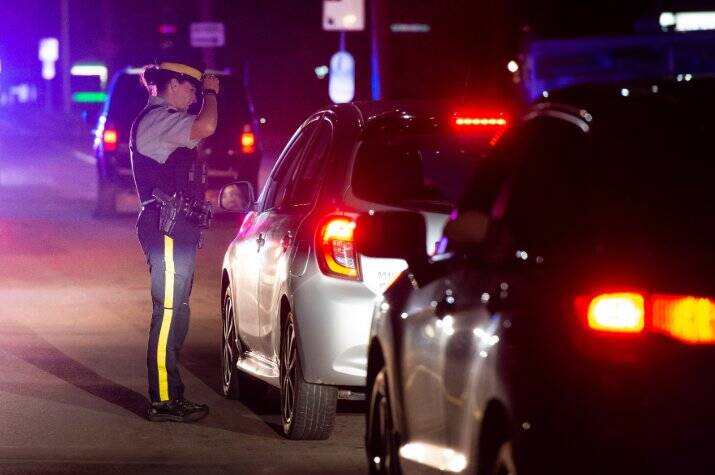
RCMP officer conducts a nighttime roadside interaction as part of traffic safety operations.
Image by Serge Gouin, RCMP
June 11, 2026
Content
Impaired driving remains one of the leading criminal causes of death and injury in Canada. Every day, hundreds of impaired driving incidents are reported across the country, with consequences that can be deadly. It is illegal to drive while impaired by alcohol, drugs, or a combination of both. Alcohol and drug impaired-driving are treated equally under the law. Check out the latest facts and statistics for Canada below.
What is it
- Impaired driving refers to operating a vehicle when your ability to drive is affected by alcohol, drugs, or both.
- Substances that can leave someone impaired include:
- Alcohol
- Cannabis
- Prescription or over-the-counter medications (sedatives, sleep aids, some pain or cold medications, etc.)
- Illegal drugs (such as cocaine, methamphetamine, or opioids)
- Even small amounts can affect judgment, coordination, and reaction time.
- Impaired driving laws extend beyond cars and include:
- Motorcycles
- Boats and jet skis
- All-Terrain Vehicles (ATV)
- Snowmobiles
- Aircraft
- Other types of transportation used on roads, trails, waterways and railways

Shutterstock
The numbers
- According to the latest report from Statistics Canada (published December 2024), police in Canada reported 71,602 impaired-driving incidents in 2023 — the lowest rate recorded, but still a serious public-safety issue.
- The data also shows that alcohol continues to be the most common factor in impaired driving. In 2023, alcohol was involved in nearly 70% of impaired-driving deaths and in far more incidents causing bodily harm than drug only impairment.
- Drug-impaired driving is a growing concern. Police-reported incidents increased sharply after cannabis legalization, rising by about 40% between the pre-legalization period and 2019-2023.
- Cannabis is the second most common substance detected in fatal crashes, particularly among youth.
- In 2022, 521 Canadians died in crashes involving a drunk driver, up from 457 in 2021 — a 14% increase.
- About one in four crash deaths involved alcohol.
- According to Mothers Against Drunk Driving (MADD) Canada, 496 Canadians were killed in 2021 in crashes involving a driver who tested positive for drugs, up from 464 in 2020 (an increase of about 7%). These are the most recent national figures available and reflect the presence of drugs, not necessarily confirmed impairment.
Serge Gouin, RCMP
What increases risk
You're more at risk of impaired driving if you:
- Underestimate how substances affect you
- Mix alcohol and drugs
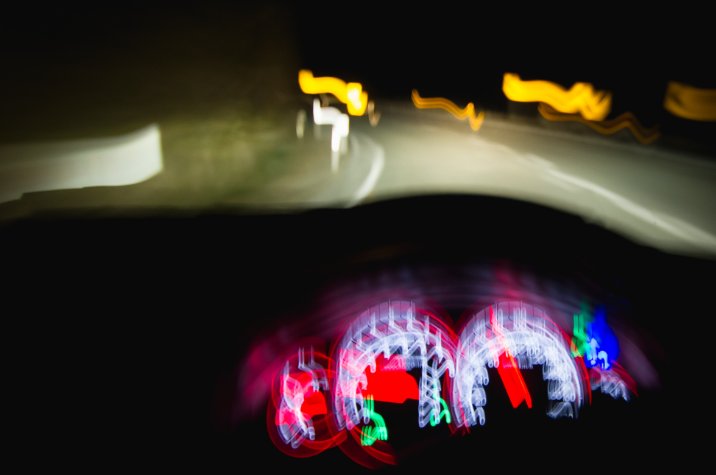
- Drive shortly after consuming substances
- Think you've “waited long enough” after consuming
- Believe you're “okay to drive” - even if you feel fine, your ability to drive safely may still be impaired
Shutterstock
Under the law
- It is illegal to drive with a blood-alcohol concentration (BAC) of 0.08% or higher.
- You do not need to exceed 0.08% to be charged.
- Police can lay impaired-driving charges based on observed impairment, behaviour, or roadside test results.
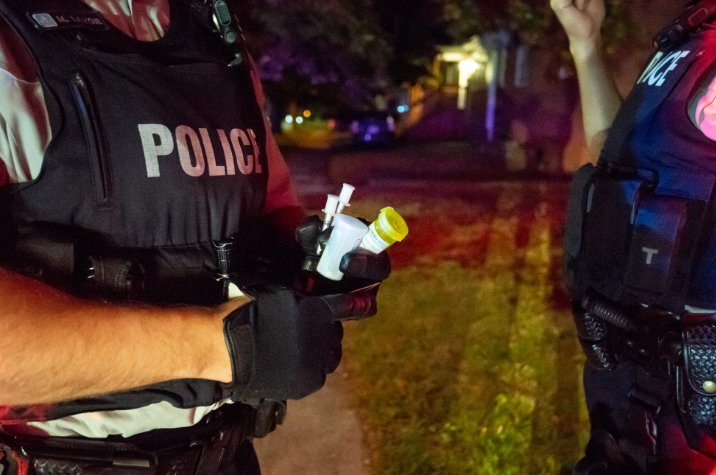
- If police suspect impaired driving, they are legally authorized to demand a roadside sobriety test, a breath sample, or an oral-fluid (saliva) test. In some cases, further samples may be required at a police station.
- Refusing to provide a sample when lawfully asked by police is a criminal offence under the Criminal Code.
Penalties
Penalties for impaired driving vary by circumstance and by province or territory, but may include:
- Immediate roadside licence suspensions, if police believe your ability to drive is impaired
- Administrative penalties in most provinces and territories — including Ontario, Quebec, British Columbia, Alberta, and all Atlantic provinces — even at blood alcohol levels below 0.08% (often starting at 0.05%). These can include licence suspensions and vehicle impoundment or seizure.
- Extended licence suspensions following a roadside event, which may remain in effect until any related criminal charges are resolved
- Additional penalties such as fines, mandatory education or treatment programs, and ignition-interlock devices (a breath-testing device installed in a vehicle that prevents it from starting if alcohol is detected)
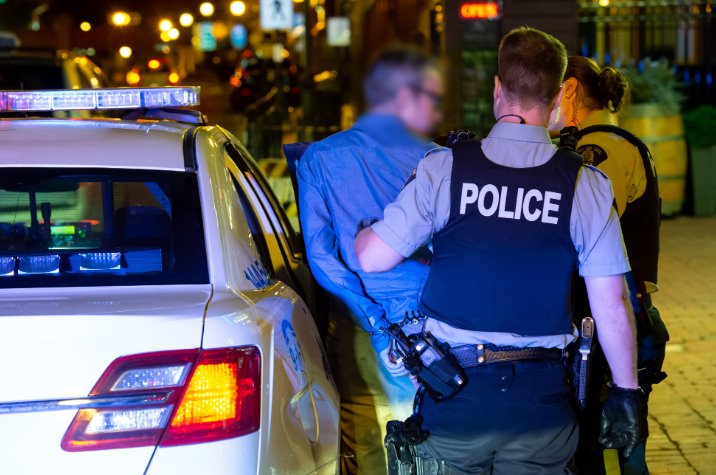
- Severe penalties for impaired driving causing bodily harm or death, including a criminal record, mandatory driving prohibitions or long-term licence suspensions, and the possibility of jail time.
Serge Gouin, RCMP
What you can do
The safest choice is not to drive at all if you've been drinking or using drugs.
- Plan a safe ride home
- Use a designated driver
- Take public transit or a taxi
- Stay where you are and don't drive
Look out for others
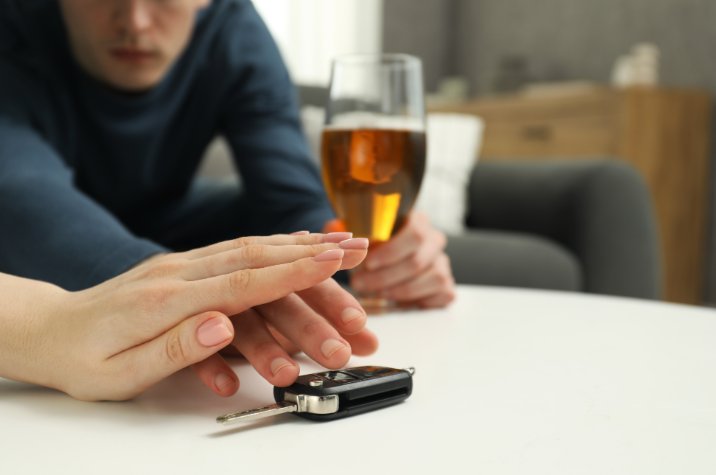
Impaired driving prevention isn't just an individual choice. Friends, family, and bystanders can help prevent tragedy by stepping in. If you're concerned about someone driving, you can:
- Take their keys
- Call a taxi or rideshare
- Help arrange a ride with a sober driver
- Offer a place to stay until they can get home safely
If you suspect impaired driving, contact your local police service or call 911.
If you spot a suspected impaired driver, provide police with as much information as possible, including:
- The location and direction of travel
- The licence plate number, and the make, model, and colour of the vehicle
- A description of the driver
Shutterstock
Where to get help
If you or someone you know is struggling with substance use, support is available.
- Talk Suicide Canada: 1-833-456-4566 (available 24/7)
- Mental health support: Get help
- Victim and Survivor Services - MADD Canada
- Get help with substance use