
News release
RCMP and international partners disrupt drug trafficking operation
March 26, 2026
-
Kelowna, British Columbia
From: Federal Policing Pacific Region
On this page
Content
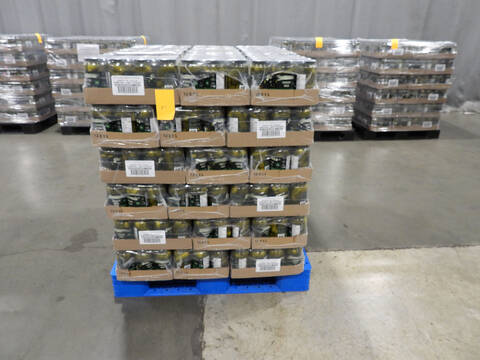
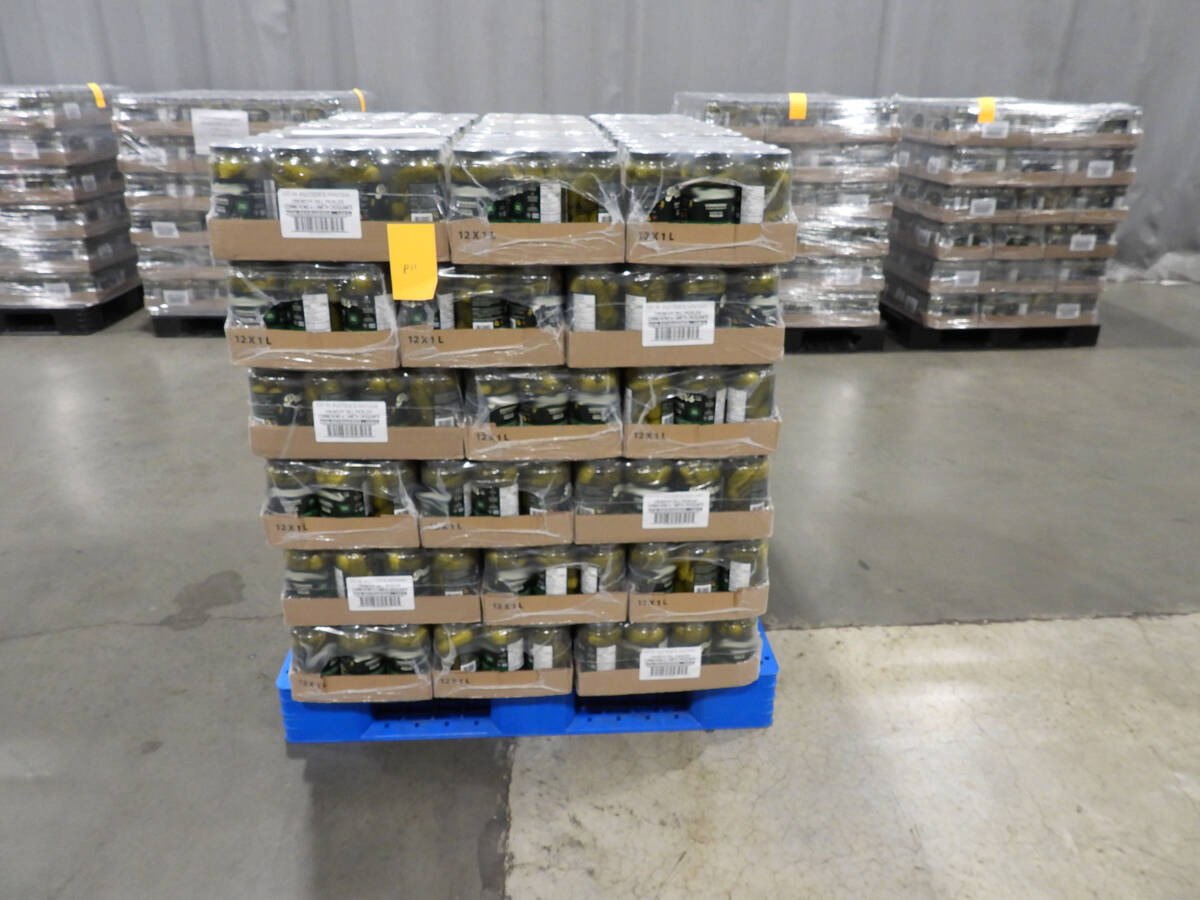
Three individuals have been arrested and 115 kgs of methamphetamine seized following an investigation led by the RCMP Federal Policing Pacific Region Drugs and Organized Crime (FPPR DOC) and the Australian Federal Police (AFP).
Police had identified two suspects allegedly involved in the importation of drugs from Canada into Australia. An investigation was initiated and the RCMP identified a shipment of drugs about to be exported to Australia.
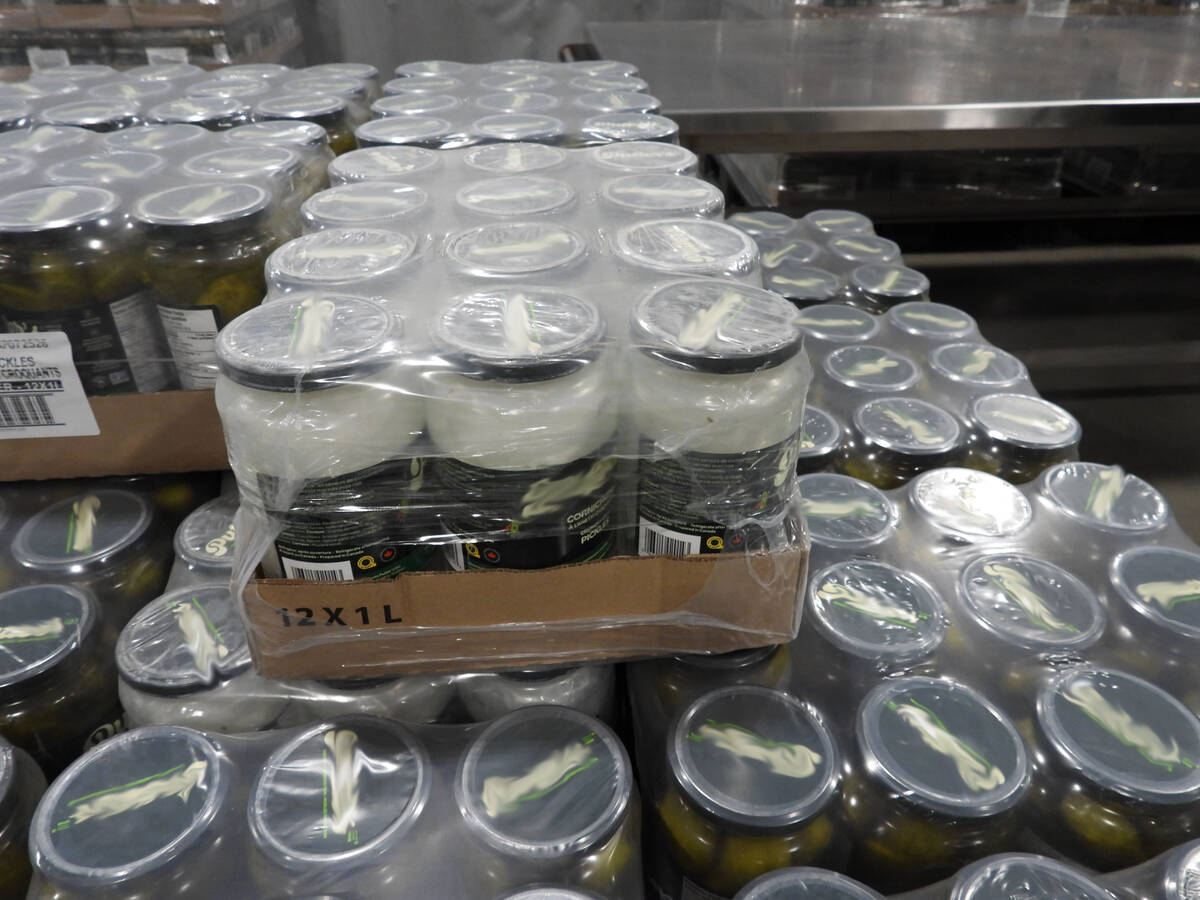
In January 2026, RCMP investigators, with the assistance of Canada Border Services Agency (CBSA) officers at the Tsawwassen Container Examination Facility, intercepted a shipment of 115 kgs of methamphetamine hidden in jars of pickles destined for Melbourne, Australia. The manufacturer was not aware that their product was being used to export and conceal drugs.
On March 17, 2026, two men, ages 40 and 63, were arrested in Australia and search warrants were executed at two residences in Sydney and Melbourne. The following items were seized during the searches:
- $400,000 in cash
- Eight, 1 kilogram silver bars
- A luxury vehicle
- Jewellery and watches
- Electronic devices
- Drug paraphernalia
The 40-year-old has been charged with:
- One count of attempting to import a commercial quantity of border-controlled drugs, contrary to section 307.1 (by virtue of section 11.1) of the Criminal Code Act 1995; and
- One count of conspiracy to import a commercial quantity of border-controlled drugs, contrary to section 307.1 (by virtue of section 11.5) of the Criminal Code Act 1995.
The 63-year-old was charged with one count of attempting to possess a commercial quantity of border-controlled drugs, contrary to section 307.5 (by virtue of section 11.1) of the Criminal Code Act 1995.
On the same day in British Columbia, a 46-year-old foreign national was arrested in Kelowna. He was later released from the RCMP pending further investigation into the exportation of drugs. The individual has been referred to the CBSA for appropriate immigration enforcement action.
Investigators with the RCMP Federal Policing Pacific Region Drugs and Organized Crime Section executed search warrants at multiple locations including Abbotsford, Lower Nicola, and Kelowna. The following items were seized during the searches:
- Multiple cell phones
- Electronic devices
The RCMP’s liaison officers were also involved in this investigation. RCMP liaison officers contribute to major Canadian investigative inquiries in foreign countries and ensure criminal intelligence is shared between the RCMP and foreign authorities. RCMP International Liaison Officers based in the Indo-Pacific region played a key role in coordinating this complex international operation with partners across multiple jurisdictions.
The RCMP Federal Policing Pacific Region Drugs and Organized Crime Section extends its thanks to all participating agencies including the RCMP International Program, RCMP detachments in Kelowna, Merritt, and Kamloops as well as the Abbotsford Police Department and the CBSA.
For more information about drugs and organized crime, please visit:
Image gallery

Quotes
“Today’s announcement is the direct result of sustained international cooperation and the dedication of law enforcement professionals across multiple countries. Drug trafficking knows no borders, and neither does our drive to confront it. This operation demonstrates that our partnerships are not only strong but growing stronger.”
Tim Arseneault, Acting Deputy Regional Commander, RCMP Federal Policing, Pacific Region
“This investigation is an excellent example of what can be achieved when law enforcement agencies collaborate internationally to stop dangerous drugs from breaching our borders. The arrests and charges laid as a result of this significant methamphetamine seizure sends a clear message that criminal networks will be disrupted and dismantled, regardless of where they operate. Thank you to our law enforcement partners for their collaboration and continued efforts to prevent transborder crime.”
Nina Patel, Regional Director General, Canada Border Services Agency, Pacific Region
“Crime can be borderless when observed on an international scale, which is why the AFP works so closely with agencies such as the Royal Canadian Mounted Police and Canadian Border Services Agency to target and disrupt transnational crime before it can do harm.”
Simone Butcher, Commander – Southern Command, Australian Federal Police
Quick facts
- Canada is investing $1.3 billion to bolster security at the border and strengthen the immigration system, all while keeping Canadians safe. Information on the Border Plan is available here: The Government of Canada’s Border Plan: significant investments to strengthen border security and our immigration system
- The RCMP works with the CBSA to protect Canada from inbound and outbound criminal threats through criminal investigations and prosecutions related to narcotic smuggling.
- Smuggling narcotics and other Customs Act contraventions may lead to prosecution in a court of law. For foreign nationals, this may mean removal from Canada and a ban on returning to Canada.
- Federal Policing Pacific Region’s Drugs and Organized Crime (DOC) teams operate under the Federal Policing mandate, with a strategic focus on dismantling organized crime groups whose activities have a provincial, national, and transnational impact.
- DOC teams support foreign and domestic investigations that have a nexus to Pacific Region, contributing to broader enforcement efforts across jurisdictions, and providing assistance to our Canadian and International law enforcement partners.
- Transnational drug trafficking poses a significant threat to public safety and security across borders, requiring coordinated international responses.
- Drug trafficking networks exploit differences in national jurisdictions and legal systems to evade detection and prosecution.
- Joint investigations and coordinated enforcement actions are essential tools in dismantling sophisticated trafficking operations.
- Strong partnerships between law enforcement agencies worldwide strengthen our collective ability to hold criminals accountable regardless of where they operate.
- If you have information about suspicious cross-border activity, please contact the CBSA Border Watch Line at 1-888-502-9060.
Contacts
Media Relations Officer
Federal Policing Pacific Region
bcfederalpolicing_media@rcmp-grc.gc.ca
778-290-4747